
Coat and Jacket Alterations Nottingham
Coat and Jacket Alterations Nottingham
Clothing Alterations Nottingham provides appointment-based coat and jacket alterations in Nottingham from a fixed studio at 29B Annesley Road, Hucknall, NG15 7AD.
Common work includes sleeve shortening, taking in, length adjustments, zip replacement, lining repairs and blazer alterations — everyday coats, casual and smart jackets, blazers, suit jackets, and winter and occasion outerwear.
Suitability and price are confirmed after the garment is assessed in person, and there is no charge for the fitting consultation. Bring the layers you normally wear underneath so the fit can be judged as you will actually wear it.

Assessed in person
Coats and jackets are checked at the studio before work is confirmed.
Fixed Hucknall studio
Appointments take place at 29B Annesley Road, Hucknall.
No consultation charge
The fitting consultation is free, with price confirmed after assessment.
Outerwear and blazers
Help with coats, jackets, blazers, suit jackets and winter outerwear.
Key facts
Key facts
| Service | Coat and jacket alterations and repairs |
|---|---|
| Studio | 29B Annesley Road, Hucknall, Nottingham NG15 7AD |
| Booking | By appointment — studio-based, not mobile |
| Consultation | Free; price confirmed after the garment is assessed |
| Phone | 0115 646 8924 |
| Serves | Hucknall and the wider Nottingham area |
Service
Coat and jacket alterations and repairs
Studio
29B Annesley Road, Hucknall, Nottingham NG15 7AD
Booking
By appointment — studio-based, not mobile
Consultation
Free; price confirmed after the garment is assessed
Phone
Serves
Hucknall and the wider Nottingham area
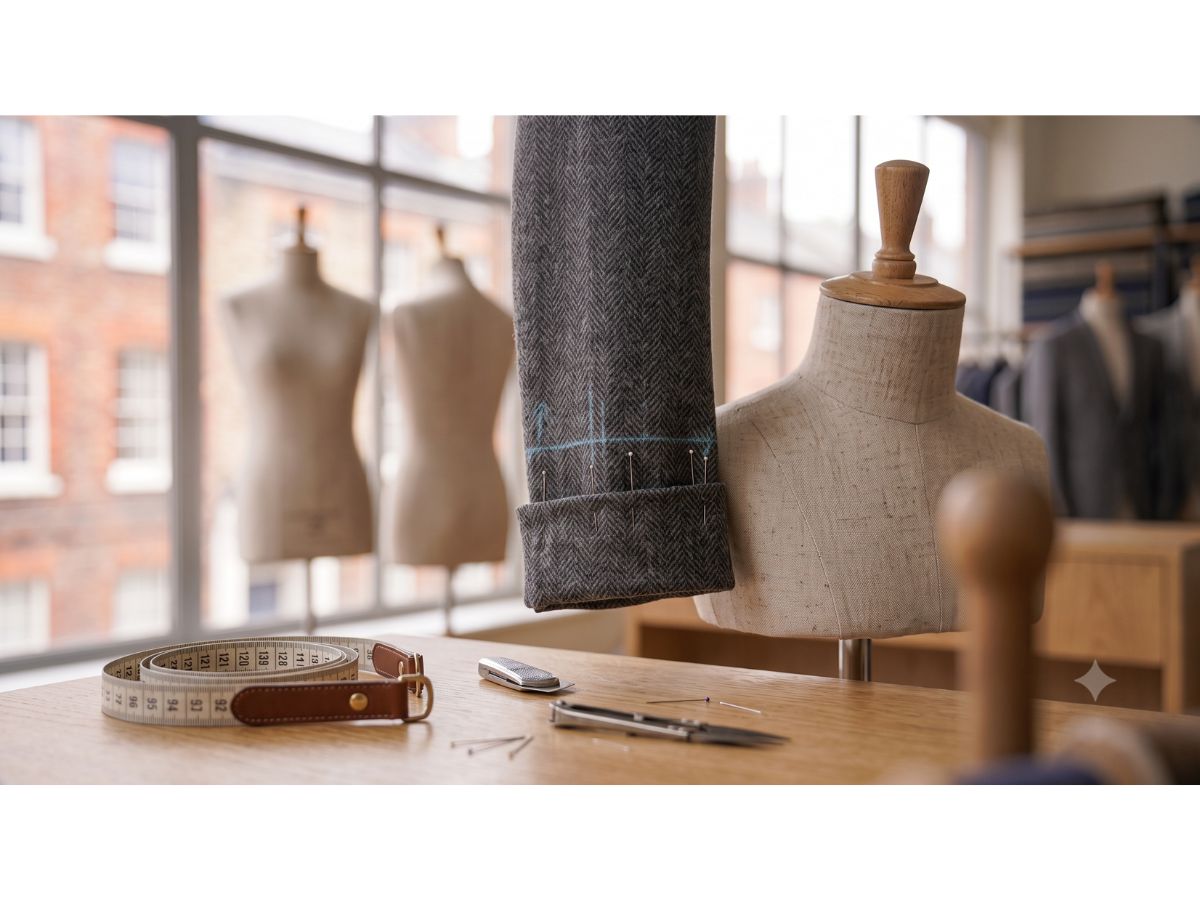
Alteration detail
A closer look at each type of work
Once you know your garment can be assessed, it helps to understand what each alteration actually involves.
The sections below explain the common jobs in more detail — and, importantly, what makes some of them straightforward and others more complex.
Sleeve shortening
Coat and jacket sleeves can often be shortened, but the method depends on the cuff, lining, buttons, vents and any zip detail. Simple sleeves may be shortened from the cuff, while tailored sleeves with working buttonholes or decorative cuffs may need adjustment from the shoulder — a more involved job, because the sleeve must be removed, adjusted and refitted into the armhole.
During the fitting, the sleeve position on your wrist, the layers worn underneath, cuff detailing, buttons and buttonholes, vents or zips, lining, elbow position, sleeve width and available allowance are all checked before the method and price are settled.
Taking in and reshaping
A loose coat or jacket may be suitable for reshaping while preserving comfortable movement and its original balance. Adjustments may include taking in the side seams, adjusting the centre-back seam, reducing excess through the waist, refining suitable darts, reducing some sleeve width, or rebalancing after another alteration.
A garment cannot always be reduced by several sizes without affecting its shoulders, armholes, lapels, pockets or proportions. Shoulder and armhole work is more complex than taking in a side seam, so it is assessed carefully.
Final suitability always depends on the individual garment, its construction and how much change is being asked of it.
Repairs and fastenings
Zip, button, lining and pocket repairs
Coats and jackets have functional details that see constant wear, so zips, buttons, pockets and linings can fail even when the main fabric is sound.
Zip work
A zip that will not close does not always need full replacement — the problem may be the slider, teeth, bottom stop, insertion pin or surrounding stitching. Replacement is more involved where the zip sits beneath a storm flap, attaches to a lining, or is set into a padded or technical garment.
Lining work
Repairs may mean closing open seams or fixing localised damage. Where the whole lining is worn, a full replacement lining may be considered after assessment — a more extensive, separately priced job.
Buttons and fastenings
Bring any original spare buttons supplied with the garment. Where an exact match is unavailable, the closest suitable alternative may be used, or a full set replaced for a consistent finish.
Pocket repairs
Pocket bags, openings and internal pockets can be checked for tears, open seams and wear, with suitability depending on the condition of the surrounding material.
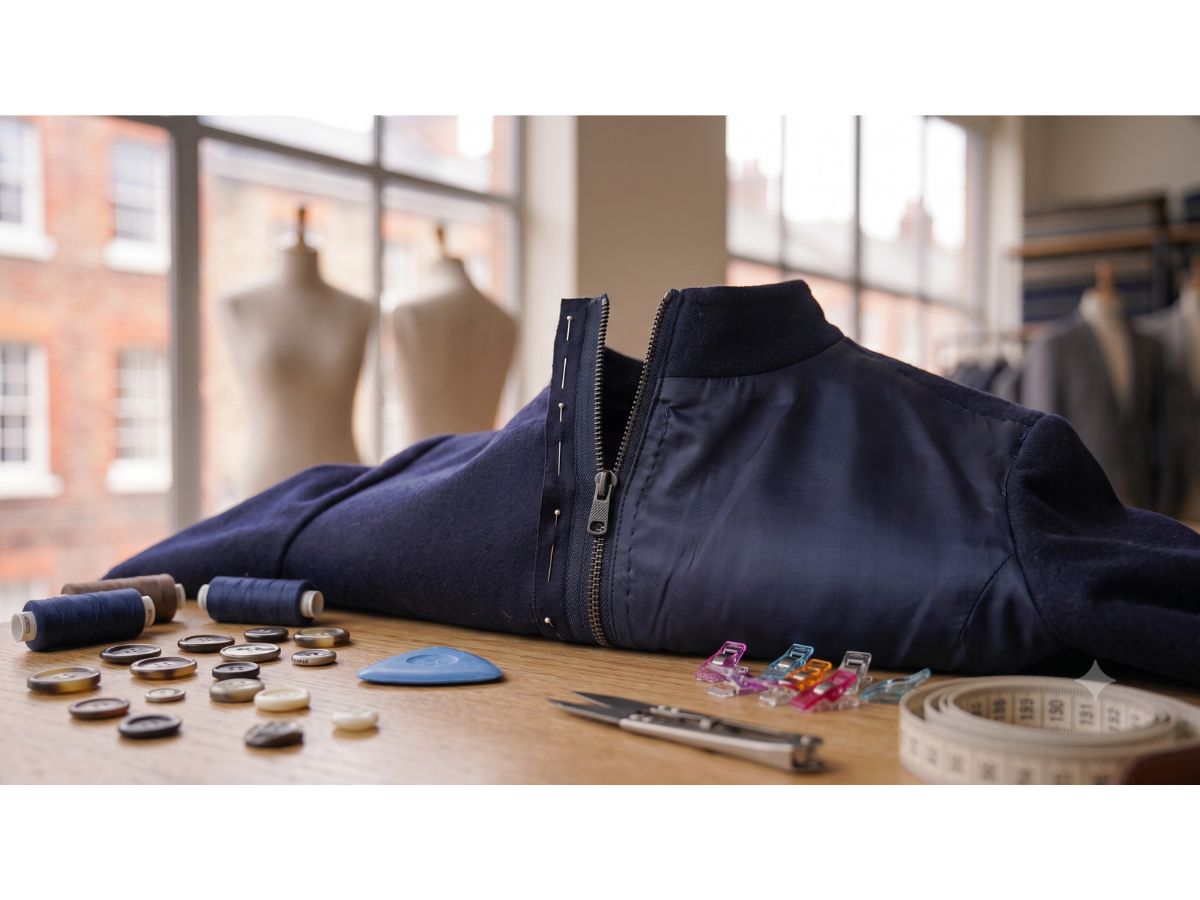
Structured jackets
Blazers and suit jackets
Blazers and suit jackets are more structured than most casual garments — their lapels, canvassing, shoulder pads, vents, sleeve heads, pockets and linings all shape how they sit.
Common requests include shortening sleeves, taking in the sides, adjusting the centre-back seam, refining the waist, repairing the lining, replacing buttons, checking length, and repairing pockets or vents.
Bring the shirt or blouse you plan to wear underneath. For a full outfit, bringing the matching trousers, skirt or dress helps the proportions be considered together.
Winter and specialist garments
Winter, wool and specialist outerwear
Winter and wool coats often use heavier fabric, thicker lining, padding, insulation, large pockets and substantial fastenings — all of which can affect sleeve shortening, taking in, hem work and zip replacement.
A wool coat may suit sleeve shortening, taking in, length adjustment, lining repairs, button replacement, and pocket or seam repairs, with careful attention to the original shape and pressing so the altered area sits correctly.
Materials checked individually
Padded, quilted or down-filled outerwear needs extra assessment, because opening a seam may affect the internal filling. Leather is not handled like woven fabric — existing needle holes can remain visible, and specialist needles, equipment and methods may be required, so leather and suede are accepted only after assessment.
Denim can be more straightforward, though heavy seams, metal fastenings, original topstitching and distressed finishes still affect the result. Waterproof jackets with bonded or taped seams, waxed jackets, faux leather, and garments with heavy embroidery, studs or unusual hardware are each checked individually before any work is agreed.
For broader formalwear adjustments, see Suit Alterations Nottingham. Final suitability is always confirmed after the garment has been checked in person.
General suitability guide
What's usually possible at a glance
This table is a general guide only. Every garment is assessed in person, because construction, condition and available allowance decide what can be done.
| Alteration | Usual outlook | Main factors checked |
|---|---|---|
| Shorten sleeves from the cuff | Often possible | Cuff style, buttons, lining, allowance |
| Shorten sleeves from the shoulder | Possible, more involved | Sleeve head, armhole, lining, canvassing |
| Take in the sides or back | Often possible | Seams, vents, pockets, balance |
| Shorten the body/hem | Sometimes possible | Pockets, vents, zips, linings, detailing |
| Repair or replace a zip | Often possible | Zip type, insertion, storm flap, padding |
| Repair or replace a lining | Often possible | Extent of wear, fabric condition |
| Replace buttons and fastenings | Usually possible | Matching parts availability |
| Major shoulder reconstruction | Often limited | Structure, cost, feasibility |
| Reduce by several sizes | Often impractical | Proportion, armholes, lapels |
| Sealed-seam waterproof work | Often unsuitable | Bonded/taped seam construction |
Shorten sleeves from the cuff
Usual outlook: Often possible
Main factors checked: Cuff style, buttons, lining, allowance
Shorten sleeves from the shoulder
Usual outlook: Possible, more involved
Main factors checked: Sleeve head, armhole, lining, canvassing
Take in the sides or back
Usual outlook: Often possible
Main factors checked: Seams, vents, pockets, balance
Shorten the body/hem
Usual outlook: Sometimes possible
Main factors checked: Pockets, vents, zips, linings, detailing
Repair or replace a zip
Usual outlook: Often possible
Main factors checked: Zip type, insertion, storm flap, padding
Repair or replace a lining
Usual outlook: Often possible
Main factors checked: Extent of wear, fabric condition
Replace buttons and fastenings
Usual outlook: Usually possible
Main factors checked: Matching parts availability
Major shoulder reconstruction
Usual outlook: Often limited
Main factors checked: Structure, cost, feasibility
Reduce by several sizes
Usual outlook: Often impractical
Main factors checked: Proportion, armholes, lapels
Sealed-seam waterproof work
Usual outlook: Often unsuitable
Main factors checked: Bonded/taped seam construction
This is not a fixed promise or refusal list. The final answer depends on the garment, the fabric, the lining, the structure and whether the alteration can be completed cleanly.
Altered by Lynda
Who carries out your alterations
Coat and jacket alterations at the studio are carried out by Lynda, who has ten years of experience in garment alterations.
That hands-on background covers the everyday and structured work described here — from sleeve shortening and taking in to zip, lining and pocket repairs — with each garment assessed on its own construction before any work is agreed.
Service information reviewed by Lynda, July 2026.

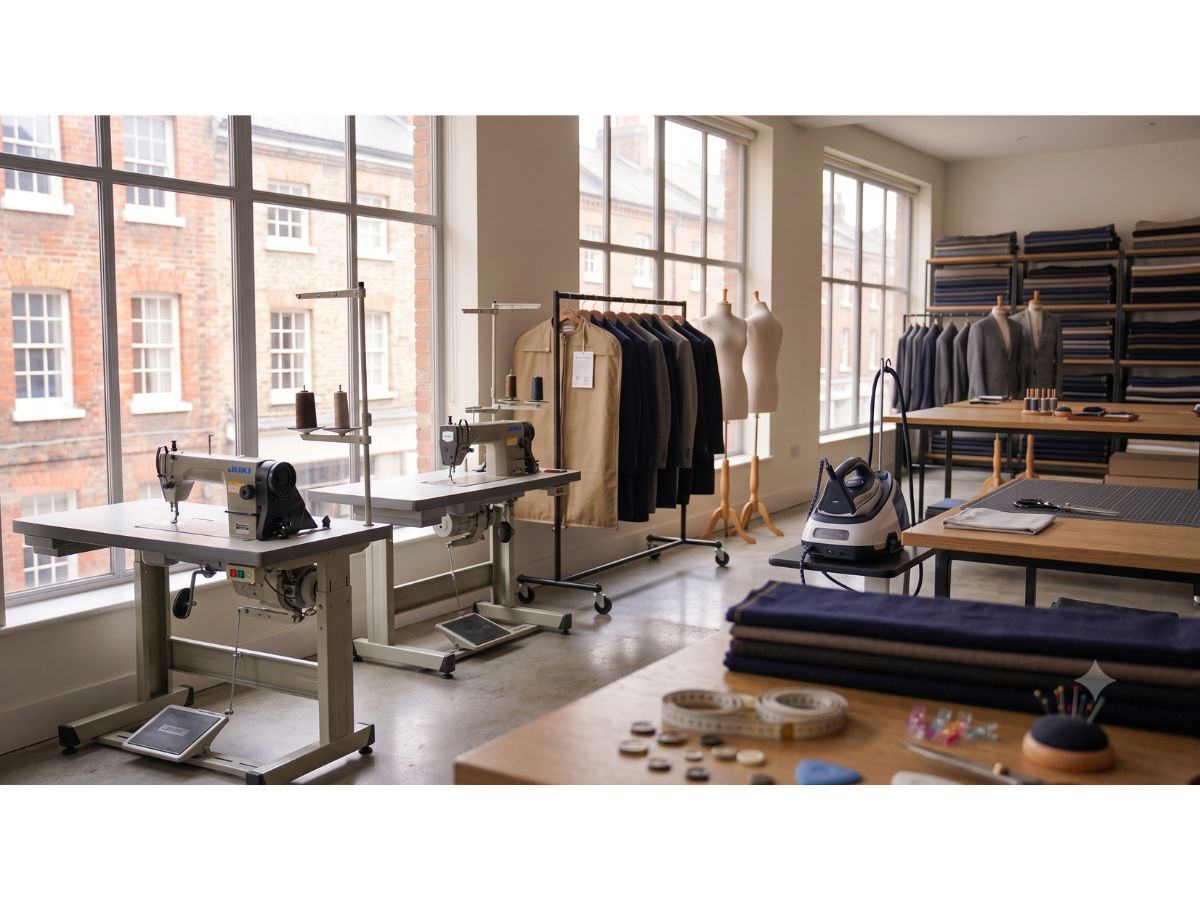
Studio location
Where to find us and when
Clothing Alterations Nottingham works from a fixed studio in Hucknall.
Customers bring their coat or jacket to the studio — the service is studio-based, not mobile, and all visits are by appointment.
Clothing Alterations Nottingham
29B Annesley Road
Hucknall, Nottingham NG15 7AD
Appointment hours
Appointment hours
Appointments are available seven days a week:
| Day | Hours |
|---|---|
| Monday | 7:00am – 10:00pm |
| Tuesday | 7:30am – 10:30pm |
| Wednesday | 7:00am – 10:30pm |
| Thursday | 7:00am – 10:00pm |
| Friday | 7:00am – 10:00pm |
| Saturday | 7:00am – 10:00pm |
| Sunday | 7:00am – 10:00pm |
Monday
7:00am – 10:00pm
Tuesday
7:30am – 10:30pm
Wednesday
7:00am – 10:30pm
Thursday
7:00am – 10:00pm
Friday
7:00am – 10:00pm
Saturday
7:00am – 10:00pm
Sunday
7:00am – 10:00pm
Please call ahead to arrange a time rather than calling in, and the studio will confirm a suitable slot within these hours.
Getting here, parking and access
The studio is on Annesley Road in Hucknall. Parking and studio access are confirmed when your appointment is arranged, so please mention any access requirements at the time of booking and these can be accommodated where possible.
Contact the studio
Use the map or contact page to plan your visit and request an appointment before bringing your coat or jacket to the studio.